8440 E McDonald Dr, Suite A, Scottsdale, AZ 85250
 scottsdalesdentist@gmail.com

Emergency Dental Care Scottsdale Near Me: When Pain Needs Help
A sudden toothache can interrupt a workday, a family dinner, or a quiet night of sleep without warning. When pain, swelling, or a damaged tooth is involved, knowing what to do next can protect your comfort and may help preserve your tooth.
If you are looking for emergency dental care Scottsdale near me, start by assessing the symptoms, protecting the affected area, and calling a dental office for guidance. We believe emergency care should feel clear and reassuring, especially when you are worried, uncomfortable, or unsure whether the problem can wait.
When Is a Dental Problem an Emergency?
A dental emergency is a problem involving severe pain, uncontrolled bleeding, a significant injury, or signs of infection that needs prompt professional attention. Not every concern requires an emergency visit, but delaying care for serious symptoms can make treatment more involved.
The American Dental Association identifies uncontrolled bleeding, swelling that may compromise the airway, and facial trauma as urgent emergencies. Call 911 or go to the nearest emergency department if you have trouble breathing or swallowing, rapidly spreading facial swelling, a serious facial injury, chest pain, or loss of consciousness.
For most urgent dental concerns, a dentist can diagnose the source of the problem, ease discomfort, and recommend the treatment that protects your smile. Common reasons to seek emergency dental care near Old Town include:
- Severe or persistent tooth pain
- A cracked, chipped, or broken tooth with pain or sharp edges
- A knocked-out permanent tooth
- A loose, lost, or damaged crown or filling
- Swelling in the gums, face, or jaw
- An abscess, drainage, fever, or bad taste connected to tooth pain
- Bleeding that does not stop after an oral injury
What to Do Before You Reach a Dentist
Simple first-aid steps can reduce discomfort and help prevent additional damage while you arrange care. Avoid placing aspirin directly on gums or teeth, using sharp tools near the area, or applying heat to facial swelling.
For a severe toothache
Rinse gently with warm water and floss carefully around the sore tooth to remove any trapped food. Use a cold compress against the outside of your cheek for short intervals if swelling is present. Over-the-counter pain medicine may be appropriate for some people when used exactly as directed, but it is not a substitute for diagnosis and treatment.
The CDC reports that about 1 in 5 adults ages 20 to 64 has at least one untreated cavity. Tooth decay can progress toward the tooth nerve and may lead to an infection, which is one reason persistent tooth pain deserves timely attention.
For a broken or cracked tooth
Rinse your mouth with warm water and save any larger tooth fragments if you can find them. Cover a sharp edge with dental wax or sugar-free gum only as a short-term measure, then avoid chewing on that side. A broken tooth may need bonding, a crown, root canal treatment, or another restorative option depending on the depth and location of the damage.
For a knocked-out adult tooth
Handle the tooth by the crown, not the root. If it is dirty, rinse it briefly with milk or clean water without scrubbing, and gently place it back in the socket only if it goes in easily. If that is not possible, keep it moist in milk or tucked between the cheek and gum, then get urgent help.
The American Dental Association’s emergency guidance recommends keeping a knocked-out permanent tooth moist and seeing a dentist as soon as possible. Do not try to reinsert a baby tooth.
For swelling, an abscess, or bleeding
Facial swelling, a fever, pus, or a bad taste with tooth pain can signal an infection that needs prompt evaluation. Use a cold compress outside the face and call for dental guidance. If swelling affects breathing or swallowing, seek emergency medical care immediately.
How We Help During an Urgent Dental Visit
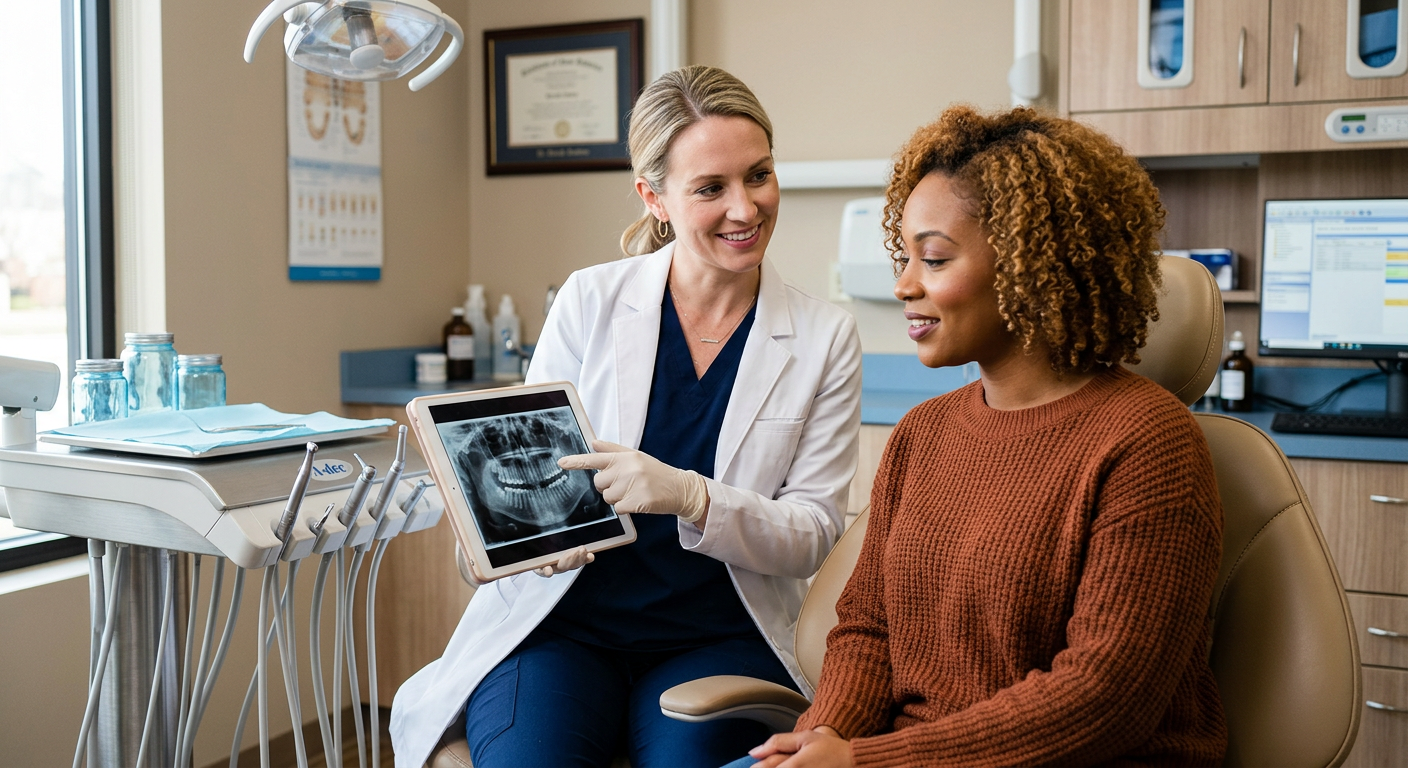
Emergency dentistry focuses on identifying the cause of pain, stabilizing the issue, and building a treatment plan that fits your oral health needs. We listen first, evaluate the affected area, and explain each recommended step in plain language.
At Scottsdales Dentist, Dr. Jennifer Bundy, recognized as a Top Arizona General Dentist 2025, provides personalized care in a calm setting for patients from Scottsdale 85250, Park Scottsdale, and nearby Old Town. Emergency treatment may involve an exam and X-rays, temporary or permanent restoration, treatment for an infection, repair of a crown or filling, or a plan for follow-up care.
Some emergencies have a straightforward fix. Others need a staged approach to control pain and protect the tooth before completing restorative treatment. If tooth loss has already occurred or a tooth cannot be saved, dental implant options can provide a stable long-term replacement plan after healing and evaluation.
Dental Emergency or ER: Where Should You Go?
A dentist is usually the right first call for tooth pain, a cracked tooth, a lost crown, a knocked-out tooth, or localized gum swelling. An emergency room is the safer choice for potentially life-threatening symptoms or injuries that involve your airway, jaw, or overall health.
| Situation | Best First Step | Why It Matters |
|---|---|---|
| Persistent toothache | Call a dentist | Finds and treats the dental cause |
| Lost filling or crown | Call a dentist | Protects the exposed tooth |
| Knocked-out adult tooth | Call a dentist urgently | Time may affect tooth-saving options |
| Facial swelling with breathing trouble | Call 911 or visit an ER | Airway risk needs immediate medical care |
| Major facial trauma or suspected broken jaw | Visit an ER | May require medical imaging and stabilization |
We also encourage patients to follow emergency treatment with regular preventive care. Routine dental cleanings and exams help us spot worn restorations, cracks, decay, and gum concerns before they become a painful surprise.
A Local Plan for Families, Professionals, and Retirees
The best response to a dental emergency is practical, not panicked: protect the tooth, avoid making the injury worse, and get professional guidance. For Scottsdale families, that might mean responding quickly after a sports injury. For busy professionals, it may mean finding help for a crown that breaks before a presentation. For retirees, it may mean addressing swelling, a denture issue, or pain around an existing restoration without waiting for symptoms to intensify.
If sore, bleeding, or swollen gums are part of the problem, the cause may involve periodontal health rather than a single tooth. Our periodontal treatment options can help address gum inflammation and infection with a plan tailored to your needs.
A calm phone conversation is often the first step toward relief. Tell the office when the symptoms began, whether pain is worsening, whether swelling or fever is present, and whether you have any medical conditions or medications that may affect care.
Get Clear Guidance for Urgent Dental Pain
You do not have to guess whether a painful tooth, swelling, or broken restoration can wait. For a trusted dentist Scottsdale 85250 patients can call when an urgent concern arises, we are ready to help you understand the next appropriate step.
Call (480) 948-1720 or contact us online to schedule your appointment today. You can also learn more about our approach to emergency dental care and how we prioritize comfort, clear communication, and thoughtful treatment planning.
Frequently Asked Questions
Can a toothache go away without dental treatment?
A toothache may temporarily fade, but the underlying cause can still be present. Pain that stops after being severe is not always a sign that the problem resolved, so an exam remains important, particularly if sensitivity, swelling, or pain when biting continues.
How quickly should I see a dentist for a broken tooth?
You should contact a dentist as soon as possible if a tooth is broken, especially when there is pain, sensitivity, or a sharp edge. Prompt care can protect the tooth from further cracking and reduce irritation to your cheek, tongue, or gums.
Can I use antibiotics for a dental infection at home?
No. Antibiotics are prescription medications and do not replace dental treatment that removes the source of an infection. The American Dental Association advises that dental treatment is the priority for most tooth-related pain and swelling, while antibiotics may be used when systemic symptoms such as fever or malaise are present.
What should I do if my crown falls off?
Keep the crown in a safe container and avoid chewing on the exposed tooth. Do not use household glue to put it back in place. A dentist can determine whether the crown can be re-cemented or whether the tooth and restoration need further repair.
Is a loose adult tooth always an emergency?
A loose adult tooth should be evaluated promptly, particularly after an injury or when it is accompanied by pain, swelling, or bleeding. Avoid wiggling it, chew on the opposite side, and call a dental office for direction.
Can I wait until my next cleaning if my gums are swollen?
Not always. Gum swelling that is painful, draining, spreading, or paired with fever needs prompt attention. Mild irritation may still warrant an earlier visit, because gums can reveal plaque buildup, infection, or another condition that should be assessed.
Summary
Emergency dental care is appropriate for severe pain, infection symptoms, knocked-out teeth, broken teeth, uncontrolled bleeding, and damage that makes it difficult to eat or function comfortably. Protect the affected area, avoid temporary fixes that could worsen the problem, and seek urgent medical care for breathing, swallowing, or major trauma concerns.
The Reassuring Next Step
Dental emergencies are stressful, but a clear plan can make the situation more manageable. Acting promptly gives us the best opportunity to relieve discomfort, protect your oral health, and explain the treatment choices ahead.
Call (480) 948-1720 or contact us online to schedule your appointment today.

About Scottsdales Dentist
Scottsdales Dentist is a trusted, top-rated dental practice located in the heart of Scottsdale, Arizona (85250). Led by Dr. Jennifer Bundy, DDS — recognized as a Top Arizona General Dentist for 2025 — our office provides complete family and cosmetic dental care with a focus on comfort, technology, and long-term oral health.
We combine personalized, gentle care with the latest advancements in cosmetic dentistry, preventive cleanings, and dental implants to help patients achieve healthy, confident smiles. Whether you need same-day emergency dental care or advanced smile restoration, our experienced team delivers exceptional results in a calm, friendly setting.
Our Top Services Include:
- Dental Exams & Cleanings
- Teeth Whitening
- Porcelain Veneers & Lumineers
- Dental Implants
- Dental Crowns & Bridges
- Dentures
- Night Guards
- Gum Disease Treatment
Ready to Schedule an Appointment?
We’re accepting new patients! Call (480) 948-1720 or contact us online to schedule your next visit at Scottsdales Dentist.